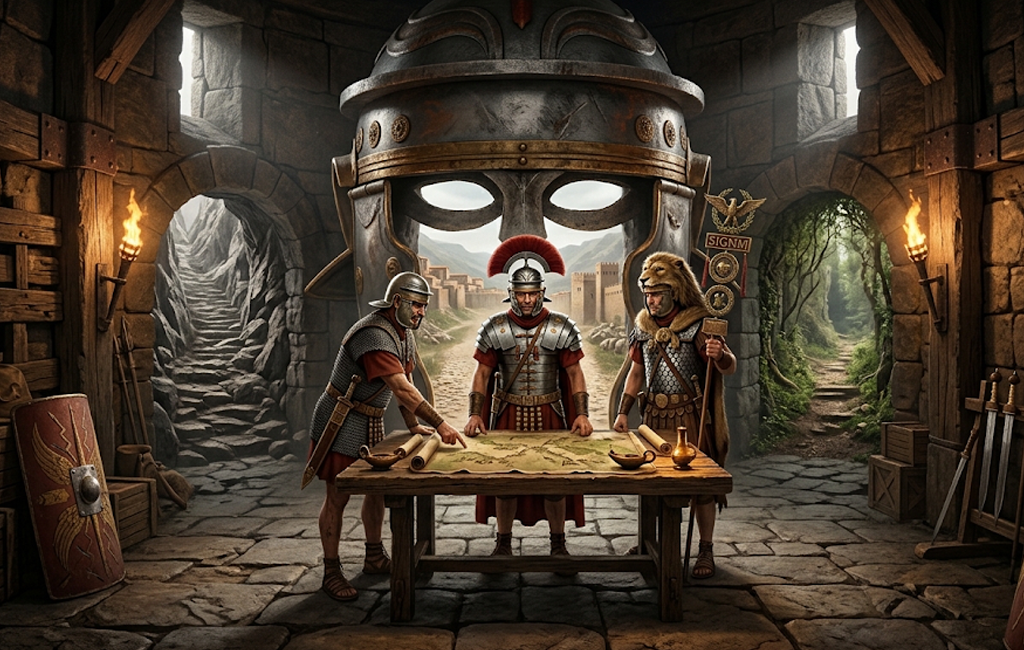
Stories have always been one of the ways people make sense of faith. Biblical fiction takes that impulse a step further by combining imaginative storytelling with biblical settings, people, events, or themes. A good novel can place readers in a dusty marketplace, a crowded courtroom, or a fishing village, and let them follow characters who wrestle with fear, loyalty, obedience, sacrifice, courage, forgiveness, and redemption. These books are works of fiction, not historical records and not substitutes for Scripture. Used well, though, biblical fiction can give readers a fresh way to reflect on familiar themes. This guide explains the appeal of the genre and recommends several Christian fiction books worth considering.
What Makes Biblical Fiction Meaningful to Readers?
Fictional characters give readers a way to consider the human side of biblical themes. A scene of doubt, grief, or temptation can feel more personal when it is attached to a character with a family, a past, and something to lose. Ancient settings add to that effect. Details about clothing, food, travel, work, and social expectations make a distant era feel like a place where people actually lived.
Authors also rely on dialogue, relationships, and personal conflict to build a narrative around faith. A conversation between friends, a dispute within a family, or a private struggle before a decision can show how belief might shape ordinary choices. Readers who already know a familiar event may enjoy seeing it from a new perspective, such as that of a soldier, a servant, or a bystander.
It helps to keep one distinction in mind. The biblical text records what it records, while biblical fiction offers creative interpretation. Invented dialogue, minor characters, and imagined scenes are additions by the author. No reader should expect a particular spiritual result from any one book, but some readers find that a well-told story sends them back to Scripture with new questions.
Novels That Deserve a Place on Your Reading List
Choosing among Christian fiction books starts with knowing what you want from them. Some readers look for a historical adventure, others want a character study, and others prefer a story that stays close to a biblical account. This sampling of biblical fiction varies in tone, setting, and approach, so treat it as a set of options rather than a required list.
A Centurion: Different Roads, Same Direction by Darrell Smith
Four Roman centurions follow separate paths through German forests, shipwrecks, slave markets, and Golgotha. Each carries burdens from past decisions, debts, and military orders, facing questions of faith, sacrifice, and obedience. The book frames Christ’s sacrifice as a verdict entered once, not a debt renewed.
The Robe by Lloyd C. Douglas
A Roman tribune named Marcellus Gallio is present at the crucifixion and wins Jesus’s robe in a game of dice. Troubled afterward, he begins a search that raises questions of conscience, guilt, and faith. Readers who enjoy Roman-era historical stories with a Christian perspective may find it a natural fit.
Ben-Hur: A Tale of the Christ by Lew Wallace
Judah Ben-Hur, a Jewish nobleman in Jerusalem, is falsely accused after an accident and sentenced to galley slavery. His story of betrayal and revenge intersects with the life of Jesus. It suits readers who like classic adventure fiction with a spiritual thread, though its story is not a close retelling of Scripture.
The Bronze Bow by Elizabeth George Speare
Set in first-century Galilee under Roman rule, this novel follows Daniel bar Jamin, a Jewish teenager driven by a desire for revenge. His encounters with a teacher from Galilee challenge his ideas about justice, hatred, and freedom. It is an accessible choice, often read by younger audiences.
The Red Tent by Anita Diamant
Anita Diamant’s novel retells the story of Dinah, a daughter of Jacob mentioned briefly in Genesis, through her own eyes, imagining the daily lives of women in her family. It takes considerable creative liberties with the biblical account, so it works best as an imaginative retelling and not as a traditional Christian interpretation.
How Fiction Brings Biblical Settings and Characters to Life
Novelists who write about the ancient world often draw on details of daily life: how people traveled, what they ate, how families were organized, and how rulers, soldiers, and neighbors limited their choices. These details give a story atmosphere. A market scene, a household meal, or a long road journey can ground a plot in a specific place and period.
Inside that setting, authors add imagined conversations and private struggles. Family relationships, social expectations, and moral decisions give characters reasons to act, and those reasons connect individual stories to larger themes of faith and redemption. A centurion weighing an order, a servant keeping a secret, or a parent making a difficult choice can all carry those themes without a single sermon.
Readers should remember that much of this is invention. Dialogue, minor characters, and imagined scenes are creative additions rather than events recorded in the Bible, and even carefully researched biblical fiction involves educated guesses about how people lived and spoke. Author’s notes in Christian fiction books, when included, can help readers separate historical background from storytelling.
How to Choose the Right Christian Fiction Books
Start with setting. Some readers prefer Old Testament worlds of patriarchs, kings, and prophets, while others want the Roman-era landscape of the Gospels and early church. Then consider style: historical detail, character-driven drama, and fast-moving adventure each suit different tastes. When browsing Christian fiction books, check whether a novel follows a biblical account closely or takes wide creative liberties, since that difference shapes what you can expect.
Look at the book description and the author’s background before you commit. A reliable description should tell you the setting, the central conflict, and the perspective the author brings. If a biblical fiction novel interests you, read the relevant biblical passages alongside it. Comparing the two helps you see what comes from Scripture and what comes from the author’s imagination. Readers who build a varied shelf of Christian fiction books can mix traditional and freer retellings, as long as they stay aware of the differences.
Why This Matters: Reading Fiction With Biblical Understanding
Reliable book descriptions and accurate author information matter because readers often choose novels based on a few sentences. For that reason, this article describes each book from its premise and does not claim endorsements, awards, or reader outcomes. It also keeps one boundary clear: Scripture is the text that records the biblical accounts, and a novel is an imaginative interpretation.
When a reader wants to know what the Bible actually says about a person or event, the biblical passages themselves are the place to look. Biblical fiction can inspire questions, but it should not be treated as independent evidence for an event. Christian traditions interpret some passages differently, so even Christian fiction books will not reflect every reader’s tradition.
Final Thoughts
Stories inspired by Scripture can make ancient settings feel real, give faith and sacrifice human faces, and invite readers to think about courage, forgiveness, and redemption in a new way. A good place to begin is A Centurion: Different Roads, Same Direction by Darrell Smith, which follows four Roman centurions toward questions about faith and obedience. From there, Christian fiction books and classic novels such as The Robe, Ben-Hur, and The Bronze Bow offer other routes into the ancient world. Choose the stories that fit your interests, enjoy them as imaginative storytelling, and return to the biblical text for what Scripture itself records. That balance lets biblical fiction support reflection without replacing the Bible.